Blog2026-07-24T15:03:04+00:00

BLOG

Heiden Highlights—Read Our Blog in Milwaukee, WI

Looking for more in-depth information about plumbing, HVAC, and more? Heiden Plumbing, Heating & Cooling has you covered. Read our blog for insider tips and info of all kinds—and check back every month for new entries. Call us at 414-937-8420 or contact us online today.
A running toilet may not seem like a big deal, but it’s a sneaky problem to deal with. When ignored, it can waste as much as 26 gallons of water a day. Clogs, slow and leaky tanks, and worn-out flappers can all cause a toilet to run. So can faulty floats, refill tubes, and inlet valves. Try fixing or replacing those parts—or calling our experts for repair.

Clogged drains can be a recurring and frustrating problem. Between hair, soap, food, mineral deposits, and dirt, there are a lot of ways to cause backups. Fortunately, Heiden Plumbing has the solutions. Mix ½ cup of salt and ½ cup of baking soda together, pour it down the clogged drain, and let it sit for half an hour before flushing it away with boiling water. If that doesn’t work, don’t settle for chemical drain cleaners, which can harm your pipes. Instead, give our plumbers a call to clear things away.

A backed-up line is both frustrating and potentially costly. But it’s also preventable. Fats, oils, and grease from cooking are some of the biggest culprits of clogs. Instead of washing them down the sink—where they can stick to pipes—let them harden and cool off a bit, then throw them away. Similarly, be careful of what you flush down the toilet. Be sure to throw out paper towels, baby wipes, or sanitary napkins instead of flushing them.

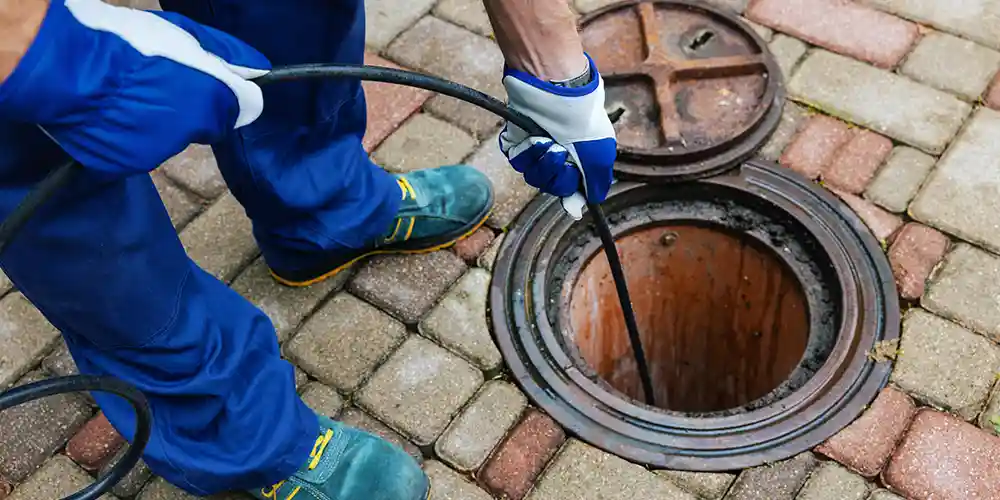
The biggest symptom of a sewer clog that you’ll see will be with the drains in your house. Whether they’re backed up or slow, something bigger could be wrong. Other signs include:

  • Gurgling or bubbling sounds when water drains
  • Bad, sewage-like odors coming from your drains
  • Water seeping and setting out on your lawn

Typically, you can expect your furnace to last you about 13 years and your AC about 10 to 15 years. Those numbers are conservative, though. If you take good care of your systems and regularly schedule maintenance, you can help increase their lifespan.

In addition to lengthening your systems’ lifespans, regular service also improves your energy efficiency. Your units will be cleaned and tuned, your energy bills will decrease, and you’ll reduce the chance of unexpected HVAC issues, breakdowns, and repairs.