How to Prepare Your Milwaukee Plumbing for Freezing Weather
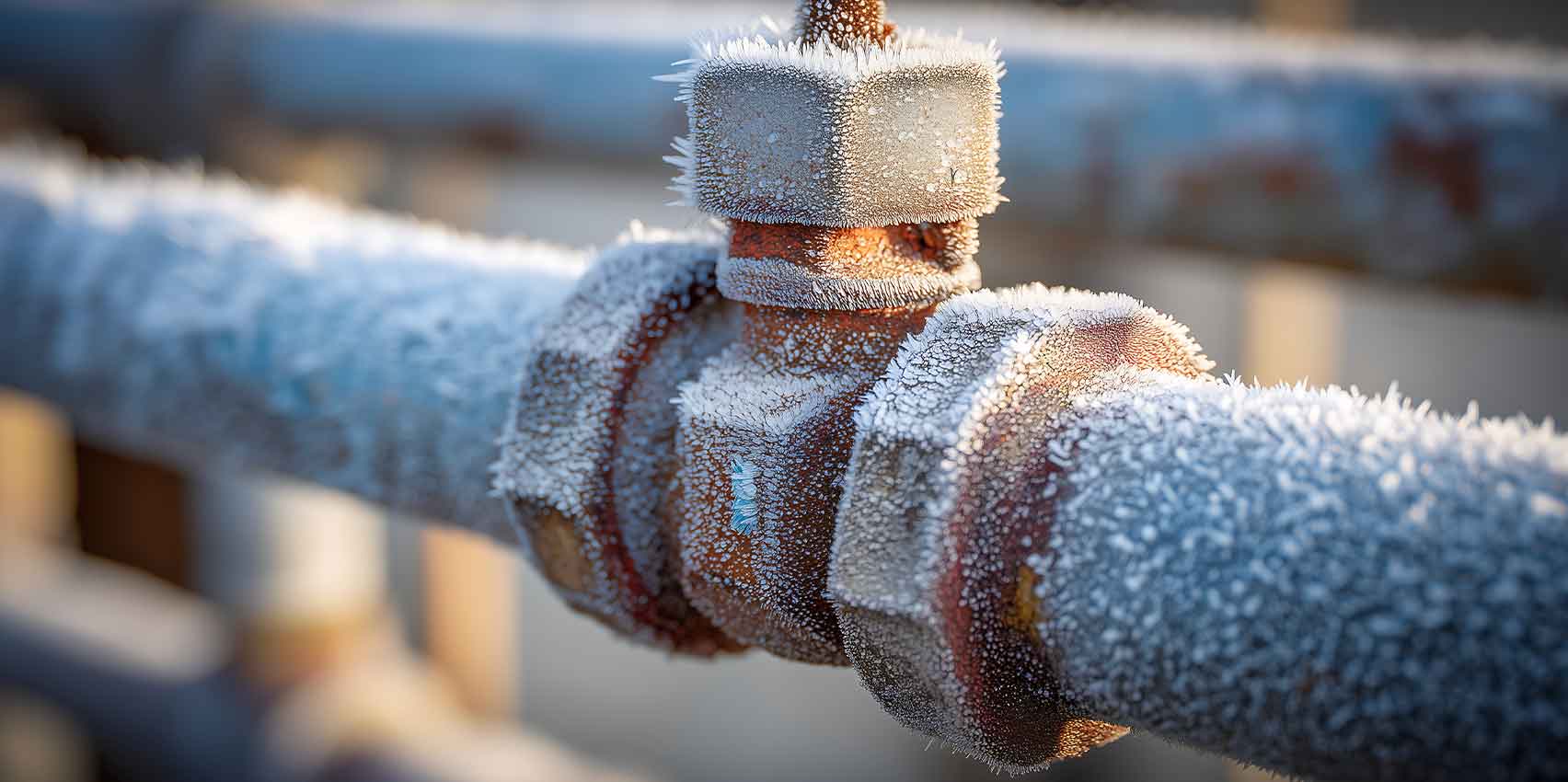
Milwaukee plumbing systems will take a beating this winter. Preventing them from freezing is crucial because when that happens, pressure can cause the pipe to expand and burst. The good news is, a few preventative steps can help protect your system and reduce the risk of costly water damage. Heiden Plumbing, Heating & Cooling shares those steps here. Need help? Call us now at 414-937-8420.
Tips to Help Protect Your Milwaukee Plumbing This Winter
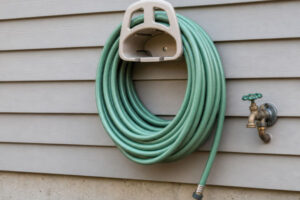 Disconnect Outdoor Hoses and Protect Faucets
Outdoor faucets and garden hoses are especially vulnerable to freezing temperatures. Water left inside a connected hose can freeze and potentially damage the faucet or connected plumbing. Before temperatures drop, disconnect and drain your garden hoses. If your home has indoor shutoff valves for outdoor faucets, turn them off and drain the remaining water. Consider installing insulated faucet covers for additional protection.
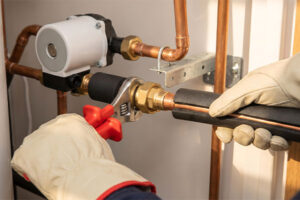 Insulate Pipes in Unheated Areas
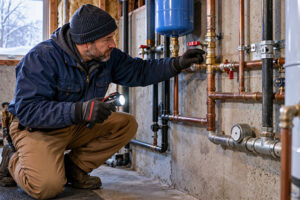
Pipes located in basements, crawl spaces, garages, and other unheated areas have a greater risk of freezing. Cold air can reach that exposed plumbing, especially when freezing temperatures stick around for extended periods. Adding pipe insulation can help reduce heat loss and protect vulnerable sections of your plumbing system. Pay special attention to pipes near exterior walls, windows, and foundation openings. Sealing gaps that allow cold air inside can provide additional protection.
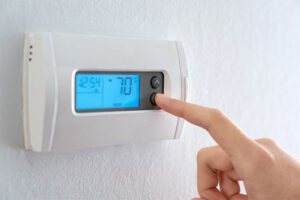 Maintain a Consistent Indoor Temperature
Keeping your home adequately heated is another important step in preventing frozen pipes. Avoid turning your thermostat too low, even when you're away from home. During extremely cold weather, opening cabinet doors beneath kitchen and bathroom sinks can help warm air reach plumbing along exterior walls.
You can also allow a small amount of water to trickle from vulnerable faucets during severely cold conditions. Moving water helps reduce freezing risks—although it doesn't guarantee pipes won't freeze.
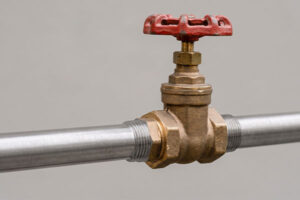 Know Where Your Main Water Shutoff Valve Is Located
Knowing how to shut off your home's water supply can make a big difference during a plumbing emergency. Locate your main shutoff valve and make sure it's accessible. If a pipe bursts, shutting off the water quickly can help limit damage.
Also, watch for warning signs of frozen pipes, including reduced water pressure or faucets that suddenly stop producing water. If you suspect a frozen pipe, do not use open flames or other high-heat devices to thaw it. Contact a professional plumber for assistance.
 Prepare Your Plumbing Before Leaving Town
Traveling during the winter months? Take extra precautions before leaving your home unattended. Keep your heating system running and maintain a safe indoor temperature. Ask someone to check your home periodically during extended absences. If appropriate, consider shutting off your main water supply to reduce potential damage from unexpected leaks.
 Protect Your Milwaukee Plumbing From Freezing Temperatures With Help From Heiden
Preparing your plumbing for freezing weather can help prevent unexpected repairs and expensive water damage. Simple precautions including insulating exposed pipes, protecting outdoor faucets, and maintaining indoor temperatures can make a difference.
However, if you're concerned about frozen pipes or need professional plumbing assistance, don't hesitate to reach out to us for help, whether by phone (414-937-8420) or online. Our team can help homeowners keep their Milwaukee plumbing systems functioning throughout the winter.